
Lip and cheek fillers
A filler consent form asks you to agree to a treatment, so first confirm which areas the treatment is meant for. One publisher spells that out for hyaluronic acid products.
Where hyaluronic acid fillers are used
NCBI PMC says hyaluronic acid (HA) fillers work best to soften nasolabial folds, smooth vertical lip lines, smooth chin wrinkles, fill acne scars, plump the lips, smooth marionette lines, and lift and enhance the cheek. Check that the areas on your sheet appear on that list. If one does not, ask the clinic why it is included.
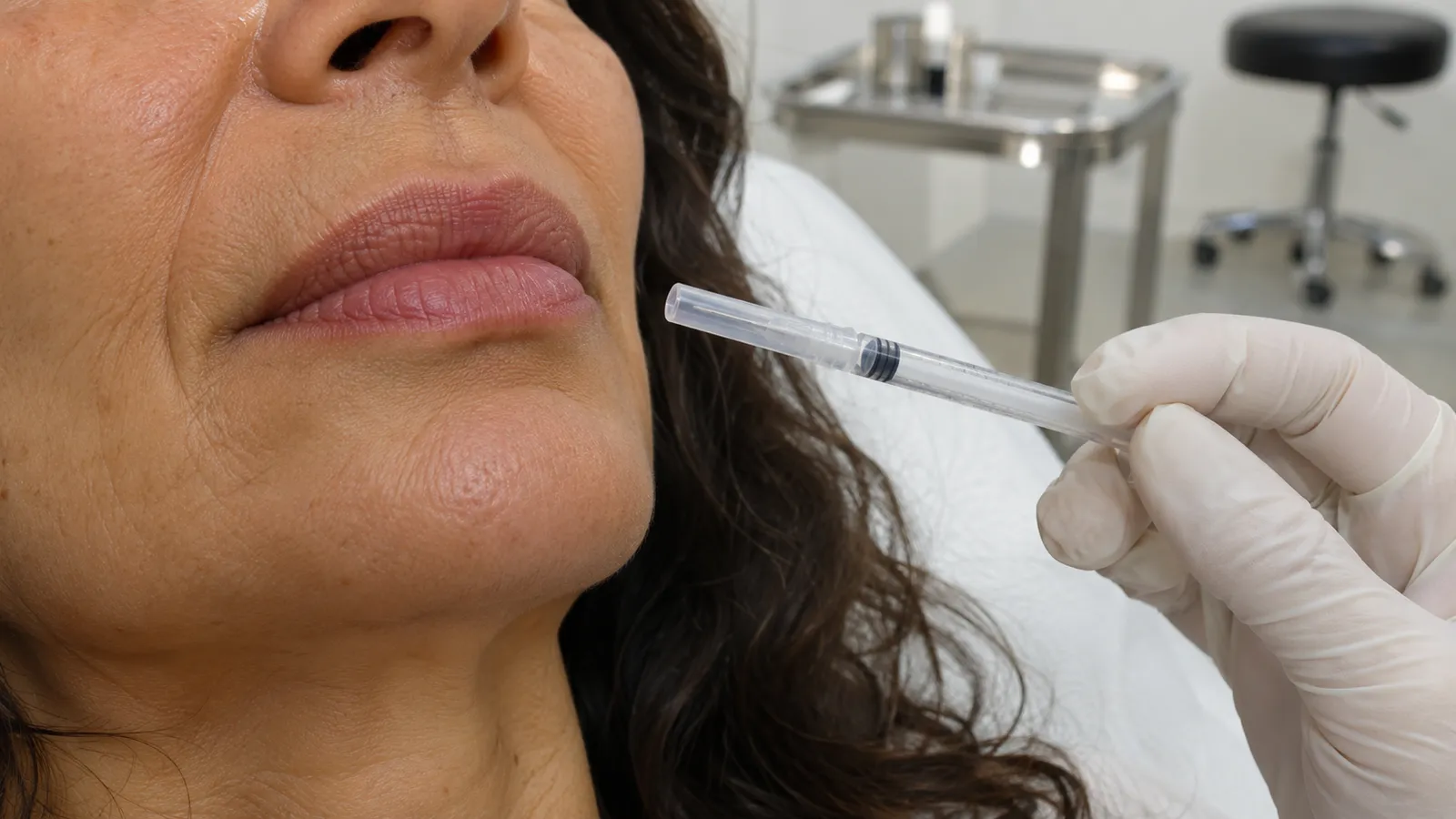
Three university and hospital pages sit alongside that statement. OHSU has a page on dermal fillers, Cleveland Clinic covers lip augmentation, from surgery and fat transfer to fillers and side effects, and UCLA Health describes non-invasive facial rejuvenation.
Filler sheet questions
The four questions below each take one requirement from a filler sheet and explain it.
- Fillers or Botox, which do I need? This clarifies which treatment the sheet is actually for.
- How much filler do I need for cheeks? This clarifies the amount the clinic plans.
- Is swelling normal after cheek filler? This clarifies what to watch for afterward.
- Should I exercise after dermal filler injections? This clarifies what the aftercare lines ask you to do with your day.
Naming the product, areas and amounts
Before the appointment, ask the clinic to name the filler product, the areas it will treat and the amount it plans for each. Compare that list with the one above.