
Facial redness and rosacea lasers
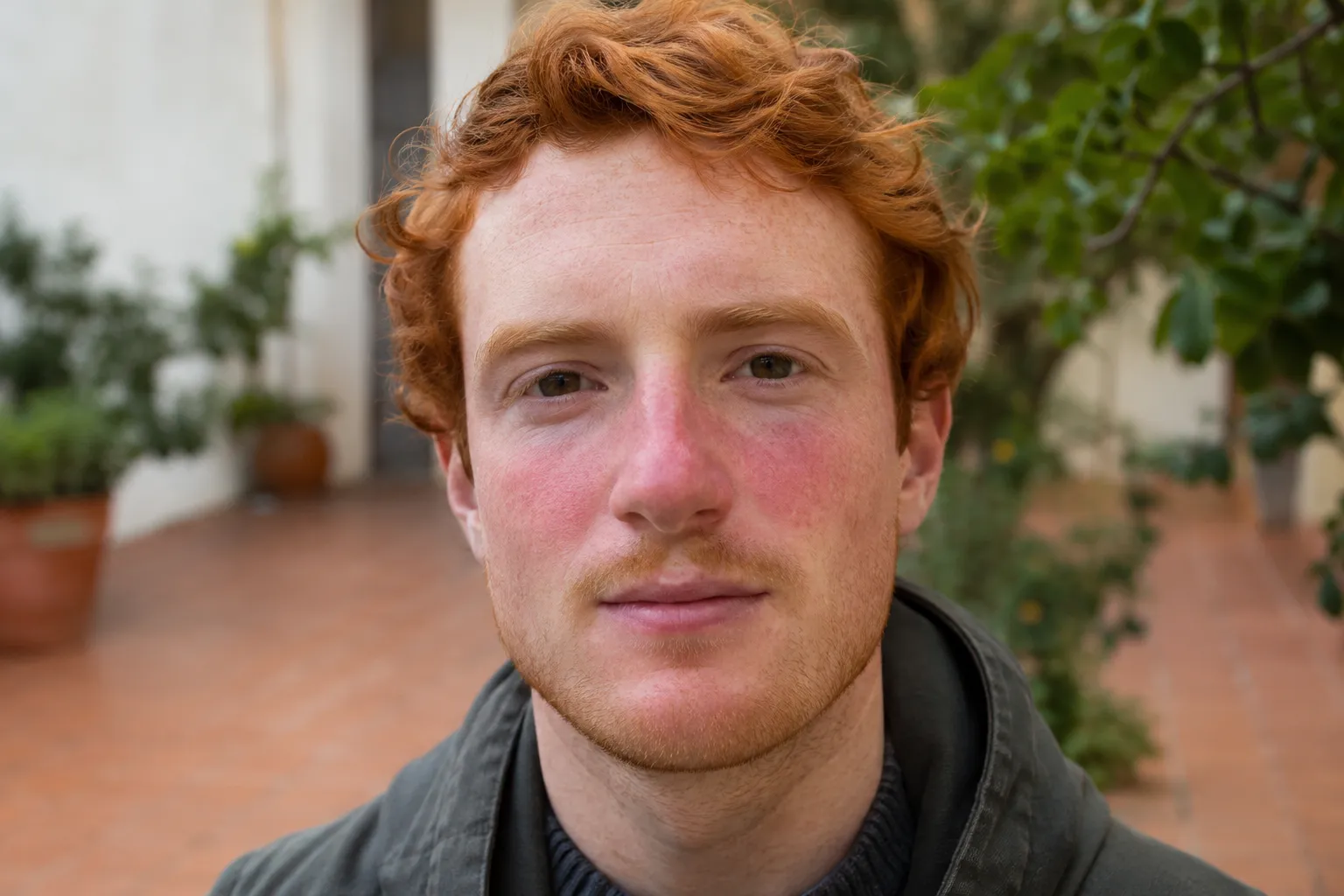
A redness laser sheet raises one question before any other: what does the treatment promise, and what does it ask of you afterward? The document that governs this topic is the AAD page on skin conditions that lasers can treat. It gives the first requirement in plain terms.
What the AAD page says
The AAD says laser treatments are effective at reducing rosacea, red birthmarks, broken blood vessels, and other red spots on the skin. That sentence tells you what the sheet is for. Hold your own diagnosis against it before you read further.
The AAD also covers the days after a session. It says most patients do not need any downtime, but occasionally there may be some bruising for a few days after a treatment. The AAD adds that light therapy, which is not considered a true laser, is another effective option for redness and enlarged facial blood vessels.
For readers who want a study rather than a patient page, one PMC paper examines intense pulsed light for erythematotelangiectatic rosacea.
Three questions on redness lasers
Each question below clarifies a single requirement on a St. Augustine reader's sheet.
- Is a pulsed dye laser safe for darker skin? The requirement here is what your skin tone asks of the clinic.
- Can a pulsed dye laser calm facial redness? The requirement here is what the laser is meant to do.
- Will laser treatment for redness bruise me? The requirement here is what to expect on your skin afterward.
Naming the condition and the aftercare
Before booking, ask your clinic to name the condition it will treat and to say what it expects on your skin in the days after. Write both answers beside the lines on your sheet.